
Executive Coaching vs. Traditional Ministry Training: What’s the Difference?


In today's evolving landscape of personal and professional development, both executive coaching and traditional ministry training offer unique paths for growth. While they may seem distinct, understanding their differences can help individuals choose the right path for their personal goals.
Understanding Executive Coaching
Executive coaching is a personalized development process aimed at enhancing leadership skills and professional performance. It is often sought by individuals in leadership positions who wish to refine their strategic thinking, decision-making, and interpersonal skills. The focus is on achieving specific outcomes related to business and personal success.

One of the key features of executive coaching is its tailored approach. Coaches work one-on-one with clients to identify goals, overcome challenges, and develop actionable plans. This method emphasizes measurable results and accountability, making it highly effective for those in corporate environments.
Traditional Ministry Training Explained
On the other hand, traditional ministry training is designed to prepare individuals for roles within religious organizations. This path often involves theological education, spiritual formation, and pastoral care skills. The training is typically structured, with a curriculum that includes doctrine, ethics, and community leadership.
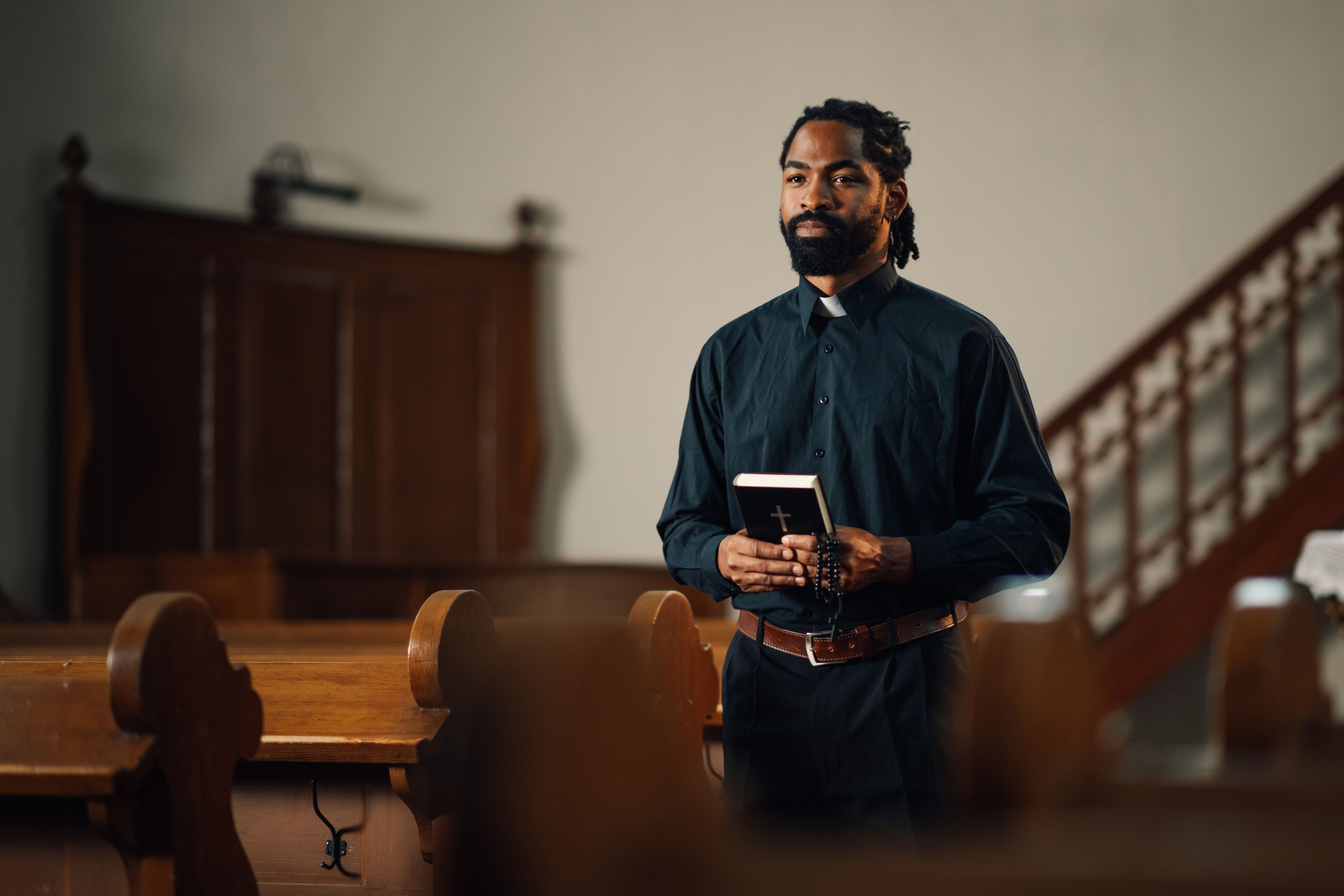
Ministry training programs are generally offered by theological seminaries and religious institutions. They focus on equipping individuals with the knowledge and skills necessary to lead congregations, provide spiritual guidance, and engage in community service.
Key Differences
While both executive coaching and traditional ministry training aim to develop leadership and interpersonal skills, their contexts and methodologies differ significantly. Here are some key differences:
- Focus: Executive coaching is business-oriented, while ministry training is spiritually oriented.
- Approach: Coaching is often personalized and goal-driven, whereas ministry training follows a structured curriculum.
- Outcome: Coaching aims for measurable business results, while ministry training focuses on spiritual growth and community leadership.
Choosing the Right Path
The decision between executive coaching and traditional ministry training depends on individual goals and aspirations. Those looking to advance in corporate settings may find executive coaching more beneficial, while individuals committed to spiritual leadership and community service may prefer ministry training.
It's essential to reflect on personal values, career aspirations, and the type of impact one wishes to make. Both paths offer unique opportunities for growth, but aligning them with personal goals ensures a fulfilling journey.
Conclusion
Understanding the differences between executive coaching and traditional ministry training can empower individuals to make informed decisions about their development paths. Whether seeking to enhance business acumen or deepen spiritual leadership, both avenues offer valuable skills and experiences.
Ultimately, the choice lies in personal objectives and the impact one desires to have in their professional and spiritual communities.