
How to Implement Effective Conflict Resolution in Your Ministry


Understanding the Importance of Conflict Resolution
Conflict is a natural part of any organization, including ministries. Understanding how to manage it effectively can prevent disruptions and promote a harmonious environment. In ministry settings, where emotions and personal beliefs run deep, resolving conflicts promptly is crucial.
Effective conflict resolution strengthens relationships, fosters a sense of community, and enhances teamwork. It is vital for ministry leaders to equip themselves with the skills necessary to address disagreements constructively.
Identifying the Root Causes of Conflict
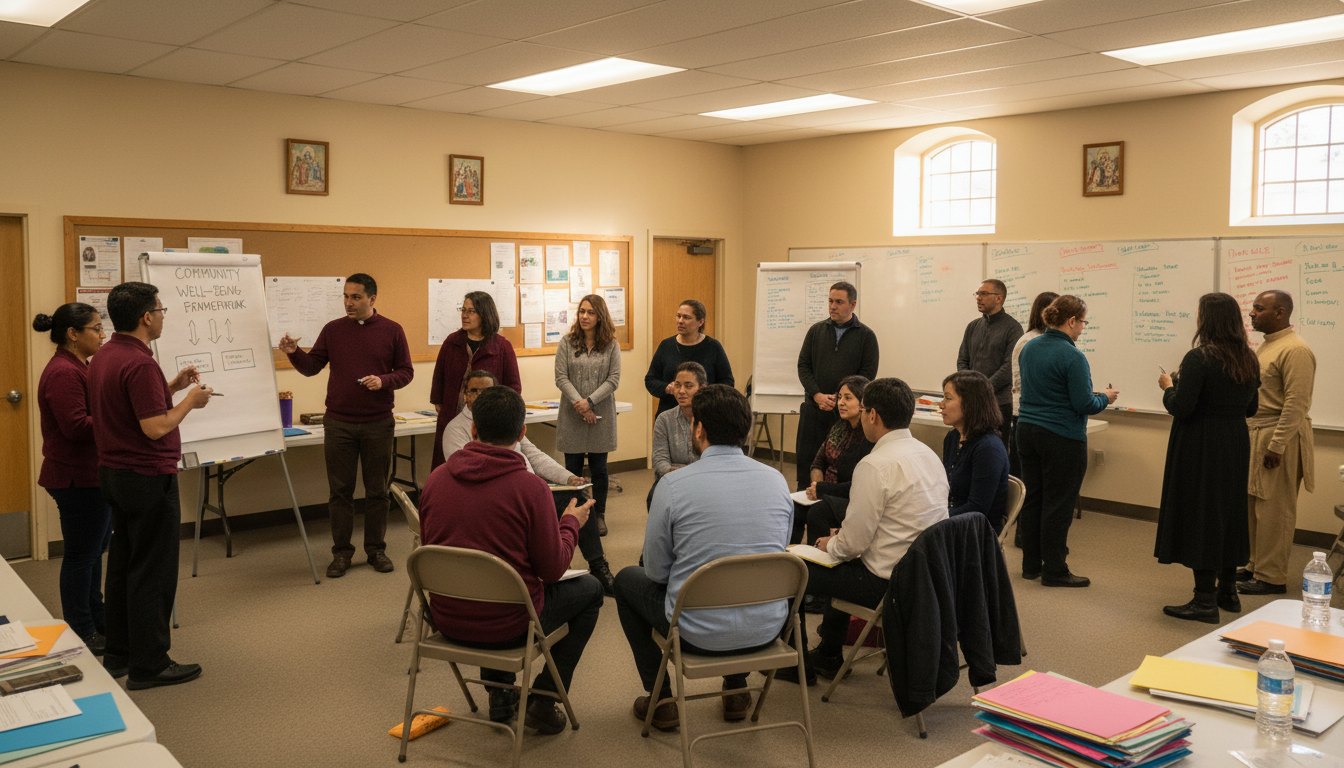
Before addressing a conflict, it’s essential to identify its root causes. Common sources of conflict in a ministry might include differences in beliefs, communication breakdowns, or contrasting personalities. Recognizing these early can prevent escalation.
Encourage open communication within your team to surface underlying issues. This proactive approach can often resolve problems before they become significant conflicts.
Effective Communication Strategies
Communication is key to resolving conflicts. Encourage active listening, where each party feels heard and understood. This can diffuse tension and lay the groundwork for a resolution.
Use “I” statements to express feelings without assigning blame. For example, say “I feel concerned when meetings start late” instead of “You always start meetings late.” This approach minimizes defensiveness and encourages constructive dialogue.

Facilitating Mediation Sessions
Sometimes, direct communication isn’t enough, and mediation becomes necessary. As a ministry leader, you might need to act as a mediator or bring in an external mediator to guide the discussion impartially.
Set ground rules for the mediation session, ensuring respect and confidentiality. Encourage all parties to express their perspectives and work towards a mutually acceptable solution.
Implementing Conflict Resolution Policies
Developing clear conflict resolution policies provides a framework for addressing disputes. These guidelines should outline the steps involved, from initial discussions to formal mediation.
Ensure that all members of the ministry are aware of these policies and understand their importance. Regular training sessions can help reinforce these procedures and promote a culture of peaceful conflict resolution.

Encouraging a Culture of Understanding
Promote a culture of understanding and empathy within your ministry. Encourage members to embrace diversity and view differences as opportunities for growth and learning.
Organize team-building activities and workshops focused on empathy and collaboration. These initiatives can foster a supportive environment where conflicts are less likely to arise.
Evaluating and Improving Conflict Resolution Approaches
Regularly evaluate the effectiveness of your conflict resolution strategies. Gather feedback from ministry members to identify areas for improvement.
Stay open to adapting your approaches based on feedback and evolving needs. Continuous improvement ensures that your ministry remains a harmonious and productive environment.